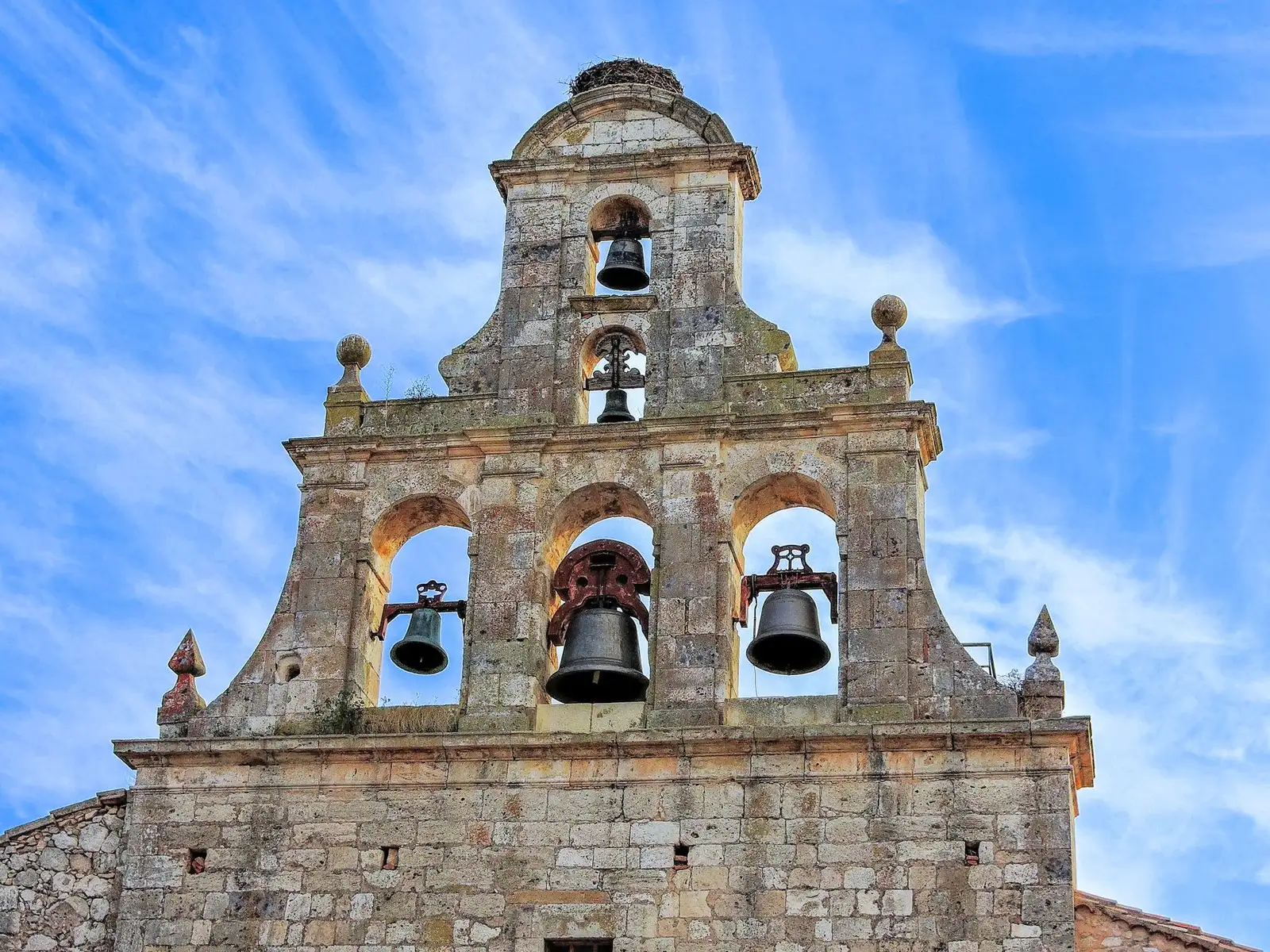
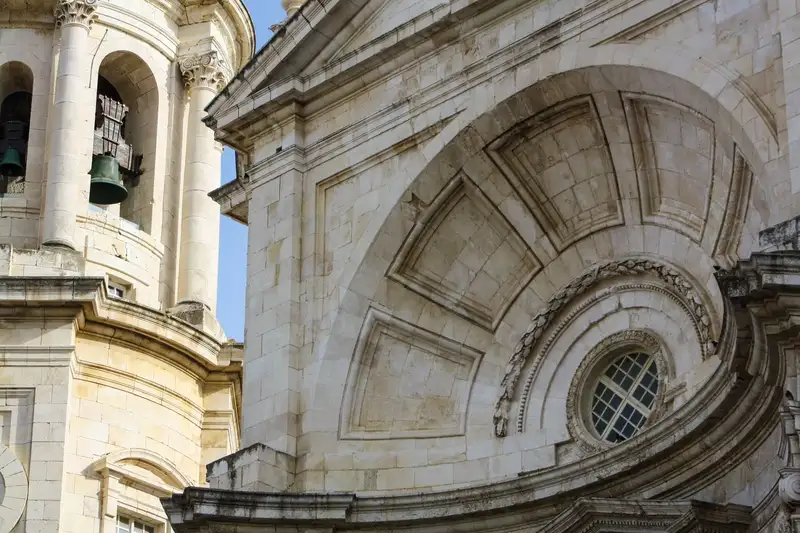
The first time I watched a group of pilgrims stagger into the Praza do Obradoiro, it was just past seven in the morning and the bells of the cathedral were ringing for the Pilgrim's Mass. Nobody was talking. A woman in her sixties dropped her pack on the cobblestones and just stood there, staring up at the towers, tears running down a face that hadn't been washed properly in three days. A younger man next to her laughed for no reason anyone could explain. That's the Camino de Santiago in a single frame: exhaustion, arrival, and something underneath both that doesn't have a tidy name.
People have been walking to Santiago de Compostela since at least the ninth century, when the relics of Saint James the Greater were said to have been discovered in Galicia. By the High Middle Ages it had become one of Christendom's three great pilgrimages, alongside Rome and Jerusalem. In 1993, UNESCO inscribed the Camino Francés and the network of routes in northern Spain on its World Heritage list, recognizing not just the physical path but the churches, hospitals, and villages that grew up specifically to receive pilgrims (UNESCO's listing for the Routes of Santiago de Compostela is worth reading if you want the historical scope of the thing). That's part of what makes this walk different from a long-distance hike in the Alps or the Appalachians. Every stone bridge and roadside cross was put there by someone who expected you.
Why People Still Walk
I get asked, fairly often, why someone would spend three or four weeks blistering their feet when a flight to Santiago airport takes two hours from Madrid. The honest answer is that the walking is the point, not the obstacle to it.
The medieval pilgrim walked because a physical journey mirrored an interior one: penance, purification, arrival. That framework hasn't disappeared, even for pilgrims who'd never use that language themselves. You have a lot of hours alone with your thoughts on the Meseta, the flat, sunburned plateau between Burgos and León where there's often nothing but wheat fields and a straight gravel path for hours at a stretch. Some pilgrims find that stretch unbearable. Others tell me it's where the whole trip actually happened for them, spiritually speaking, precisely because there was nothing to distract from it.
The Church still treats this as a real pilgrimage with real graces attached. A plenary indulgence is available to pilgrims who visit the cathedral in Santiago under the usual conditions, particularly during a Jubilee Year (a Compostela Holy Year occurs when July 25th, the feast of Saint James, falls on a Sunday). The Instituto Teológico Compostelano, the theological institute connected to the Archdiocese of Santiago, has done serious work on the historical and liturgical dimensions of the pilgrimage if you want to go past the surface version most guidebooks give you.
The Routes: Which Camino Is Yours
This is where people get overwhelmed, and I think guidebooks don't help much because they list six or seven routes without being honest about how different the experience of each one actually is.
Camino Francés. The classic, the one everyone pictures, running roughly 780 kilometers from Saint-Jean-Pied-de-Port in the French Pyrenees to Santiago. It's the most infrastructure-heavy route by far: albergues every few kilometers, well-marked yellow arrows, and by August, crowds that can make the last hundred kilometers feel more like a festival than a retreat. If you want company, this is your route. If you want silence, plan your timing carefully or look elsewhere.
Camino Portugués. Starting in Lisbon or, more commonly, Porto, this route runs north through Portugal before crossing into Galicia. The Porto-to-Santiago stretch (about 240 kilometers) has become the second most popular route on the whole network, and for good reason: it's gentler terrain, the food along the way is extraordinary, and there's a coastal variant that hugs the Atlantic for those who want the ocean instead of farmland.
Camino del Norte. This one runs along Spain's northern coast, through the Basque Country, Asturias, and Cantabria, before cutting inland to Santiago. It's longer and harder than the Francés, with more elevation change, but the scenery is genuinely dramatic and the crowds are a fraction of what you'll find further south. I'd send an experienced walker here before I'd send a first-timer.
Via de la Plata. The long haul, starting in Sevilla and running nearly 1,000 kilometers north through Extremadura. Brutally hot in summer, sparsely served with albergues, and mostly walked by people who've already done a Camino or two and want something more solitary. Not for a first pilgrimage, in my opinion, unless you have serious hiking experience already.
Camino Primitivo. Considered the original route, connecting Oviedo to Melide (where it joins the Francés) through Asturian mountains. Short by comparison, at around 320 kilometers, but tough: steep climbs, isolated villages, weather that turns fast. Pilgrims who've walked both often say the Primitivo felt more like the pilgrimage they'd imagined and the Francés felt more like a very well-run tour.
There's also the Camino Inglés, a short route (around 115 kilometers from Ferrol) originally used by pilgrims arriving by sea from England and Ireland, and the Camino de Invierno, a winter alternative through the Ribeira Sacra that avoids the worst mountain passes of the Francés in bad weather. Neither gets much attention, and both are worth considering if time is tight or if you've already done the big one.
Preparing Your Body and Your Pack
Most people overpack on their first Camino and figure that out somewhere around day three, usually while mailing a box of unnecessary clothing back home from a post office in Pamplona.
The rule of thumb that's held up for me over the years: your loaded pack shouldn't exceed about ten percent of your body weight. For most people that means somewhere between six and eight kilograms, including water. That's genuinely hard to hit if you're used to packing "just in case" items. You need two sets of walking clothes (one to wear, one to wash and dry overnight), a good rain shell, broken-in boots or trail shoes, and a sleep sheet if you're staying in albergues. That's most of it.
Boots deserve their own paragraph because they cause more suffering than anything else on the route. Break them in for at least sixty kilometers before you leave home. Not thirty. Sixty. Blisters on day one compound into tendon problems by day ten, and I've seen pilgrims pulled off the trail entirely because they trusted a brand-new pair of boots out of the box.
Physically, you don't need to be an athlete, but you do need base cardiovascular fitness and some familiarity with walking on uneven ground for hours. Most people who fail to finish don't fail because of the distance. They fail because they started too fast in the first week, before their feet and joints had adjusted, and injured themselves out of stubbornness. Slow starts save Caminos.
Where You'll Sleep: Albergues and Beyond
Albergues are the backbone of the Camino Francés and Portugués in particular, small pilgrim hostels, often run by municipalities, parishes, or private hosts, offering bunk beds for anywhere from five to fifteen euros a night. The municipal ones are cheapest and most basic. The parish albergues, often run by volunteers (hospitaleros) who've walked the Camino themselves, tend to have the most character, sometimes with a communal dinner and a blessing before bed.
There's a particular kind of hospitality that shows up again and again in these small towns, one I recognize from two decades of running trips through Spain more broadly. Whether it's a hospitalero greeting a stranger at an albergue door in Galicia or a bar owner in a Catalan village pouring vermouth from a porrón for regulars and travelers alike, the ritual of welcome carries weight far beyond the words exchanged. It's a small negotiation of trust that happens before either person knows anything else about the other. There's a good piece on how these greeting customs actually function, beyond simple politeness, if you want to think about it more than the average pilgrim does at 6pm with sore feet.
If you'd rather not gamble on bunk availability (albergues are first-come, first-served on most routes and can fill by early afternoon in peak season), private albergues and small pensións exist along every major route and let you book ahead. Expect to pay more, obviously, but for older pilgrims or anyone managing an injury, the guaranteed bed is worth it.
The Credencial and the Compostela
You'll need a credencial, the pilgrim's passport, stamped at churches, albergues, cafés, and town halls along the way. Two stamps a day are required for the final hundred kilometers if you want the Compostela, the certificate issued by the cathedral confirming you've completed the pilgrimage on foot, by bicycle, or on horseback for religious or spiritual reasons. Without stating that reason, you get a different, purely secular certificate instead. It's a small distinction on paper and a real one in practice.
The Catedral de Santiago de Compostela issues the Compostela at the Pilgrim's Office just steps from the cathedral, and during peak season, expect a line. Get there early or late in the day if you can. American pilgrims in particular can find real value in connecting with American Pilgrims on the Camino, a nonprofit that issues credenciales stateside and runs an informal but genuinely useful network of returning walkers who'll answer questions honestly, including the ones guidebooks tend to skip.
What the Walk Asks of You
Here's something I don't think gets said enough: the Camino will bore you before it transforms you, if it transforms you at all. Day six or seven is often the hardest, not because of physical difficulty but because the novelty has worn off and the destination still feels impossibly far away. That's usually where people either quit or settle into a rhythm they didn't know they had in them.
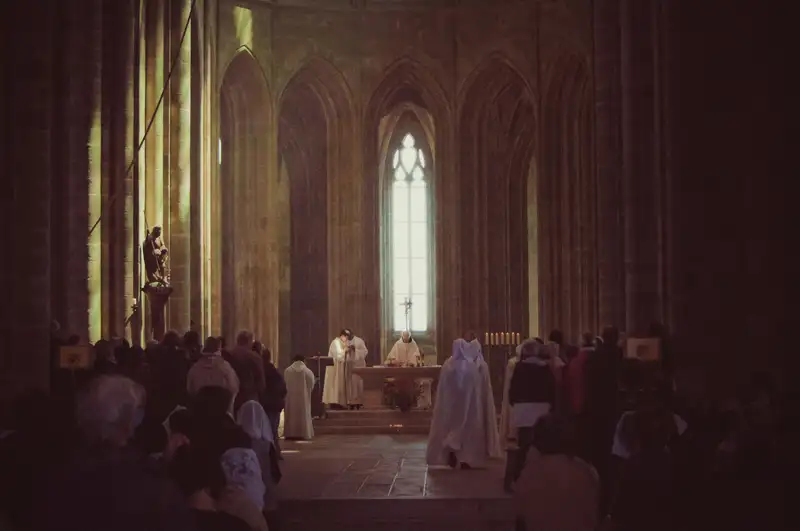
Is the Camino a religious experience? For some pilgrims, absolutely, in the most traditional sense: daily Mass where possible, the Rosary walked rather than sat, confession in Santiago before the final approach to the cathedral. For others, the spiritual content arrives sideways, through fatigue and simplicity rather than through explicit devotion. I've walked with atheists who finished the Camino more shaken than some of the devout Catholics beside them. I don't think that's a contradiction. The Church has never claimed that grace only works on people who arrive expecting it.
What the walk does ask, consistently, is honesty about your own limits. You will get tired in ways that strip away whatever persona you walked in with. You will need help from strangers, which is humbling in a way that modern life rarely allows for anymore. And you will, almost certainly, end up walking beside someone whose life looks nothing like yours, sharing a bottle of wine at a long table in an albergue courtyard in Galicia, discovering you have more in common with them after four days than with people you've known for years.
That's not a small thing. It might be the whole thing, depending who you ask.
A Guided Option, If You'd Rather Not Go Alone
Plenty of pilgrims walk the Camino solo, and there's a real value in that solitude I wouldn't try to talk anyone out of. But not everyone wants to solve logistics alone in a country whose language and bus schedules they don't know well, and there's no shame in that either. If you'd rather have someone handle the planning while you focus on the walking and the praying, a guided pilgrimage is worth considering. We run trips of that kind at Culture Discovery Vacations, organized around the idea that the spiritual weight of a place comes through more clearly when you're not also stressed about where you're sleeping tonight.
Before You Go
Whichever route you choose, start slower than you think you need to, break in your boots properly, and don't over-plan the spiritual side of it. The Camino has a way of giving people what they need rather than what they came looking for. That's been true for pilgrims since the ninth century, and it hasn't stopped being true yet.
Comments (0)
No comments yet. Be the first!